
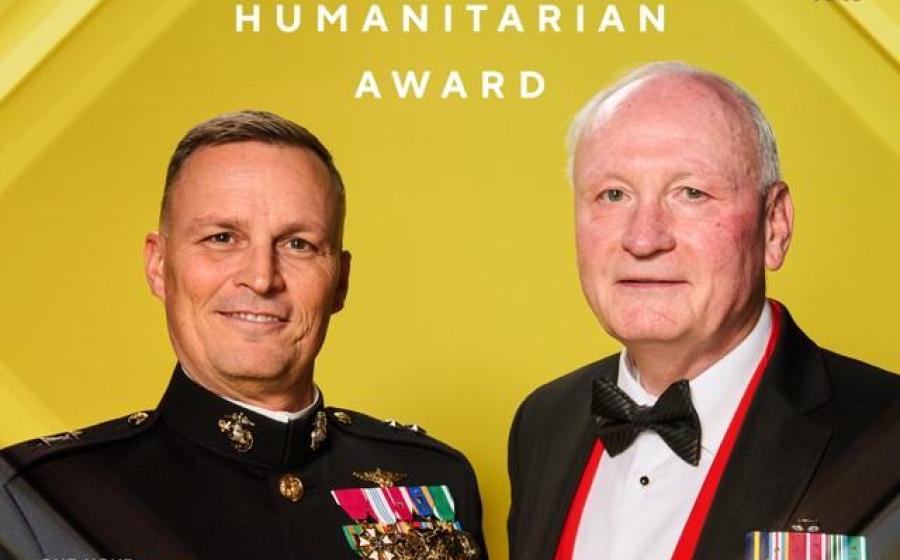
Marine Toys for Tots is Honored with Humanitarian Award
(NewsUSA) - Thanks to the ongoing support of the American public, the Marine Toys for Tots Program was honored to receive the esteemed Humanitarian Award at the 26th Annual CBS Family Film and TV Awards. The award recognized Marine Toys for Tots for their year-round work supporting struggling families and children across the country, which they are able to do with your unwavering assistance.
Bestowing the award with celebrities Montel Williams, Dean Cain, and Laura McKenzie, television presenter and actress Elizabeth Stanton noted that “one organization that has consistently supported families in need is the U.S. Marine Corps Reserve Toys for Tots Program.”
A heartwarming video segment highlighted Toys for Tots’ National, year-round work, including testimonials of families from around the country who have been assisted by the organization. “Toys for Tots means everything to us,” said one teary-eyed mother. “When you live on a fixed income, pretty much every dime is accounted for, and we didn’t know what to do. Toys for Tots changed all that!”
LtGen James Laster, USMC (Retired), CEO of the Marine Toys for Tots Foundation, and Major General Len “Loni” Anderson, Assistant Deputy Commandant, Plans, Policies, and Operations for the United States Marine Corps, accepted the award to a standing ovation in the packed theater.
“We have expanded beyond Christmastime to provide year-round hope and support, and we couldn’t have done it without the generosity of the American people – you!” said LtGen Laster in remarks accepting the award on behalf of the organization.
General Anderson added, “This recognition strengthens our resolve to continue our mission. It’s not just toys. It’s about delivering joy and fostering hope in the hearts of those families when they need it.”
LtGen Laster also laid out Toys for Tots’ ambitious goals for 2024, saying that the organization hoped to reach a record 11 million disadvantaged children this year.
“The Marine Toys for Tots Program has been a beacon of hope for over seven decades, striving to bring smiles to the faces of children who might otherwise go without during the holiday season and throughout the year,” said LtGen Laster. “It is an incredible honor to be recognized by the 26th Annual Family Film and TV Awards and receive the prestigious Humanitarian Award for the Program’s commitment to being a year-round force for good and making futures as bright as possible for children in need.”
Visit toysfortots.org for more information and to be part of this year-round force for good!
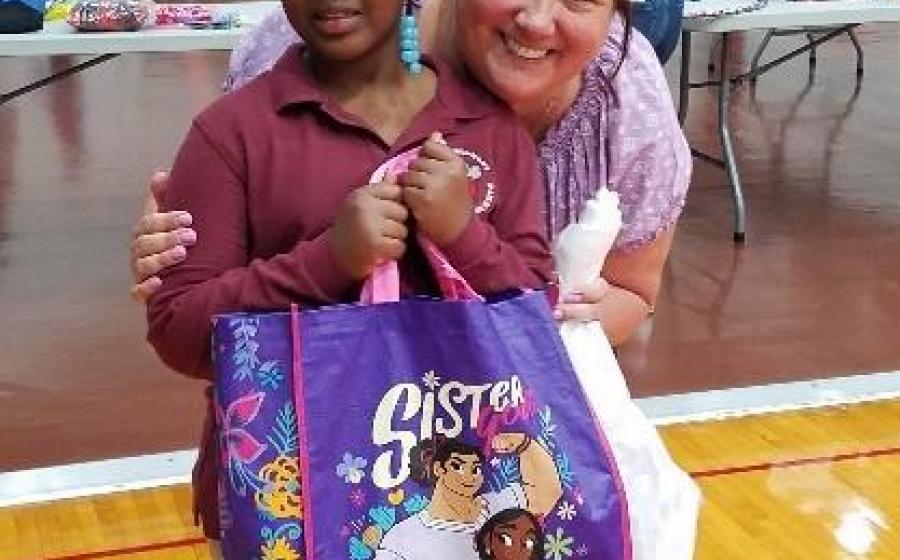
 - Marine Toys for Tots, which is traditionally known as the flagship children’s Christmastime charity, has evolved into a year-round force for good. The year-round assistance and emotional relief that the organization provides extends beyond the holiday season, because needs aren’t seasonal, and neither is Toys for Tots.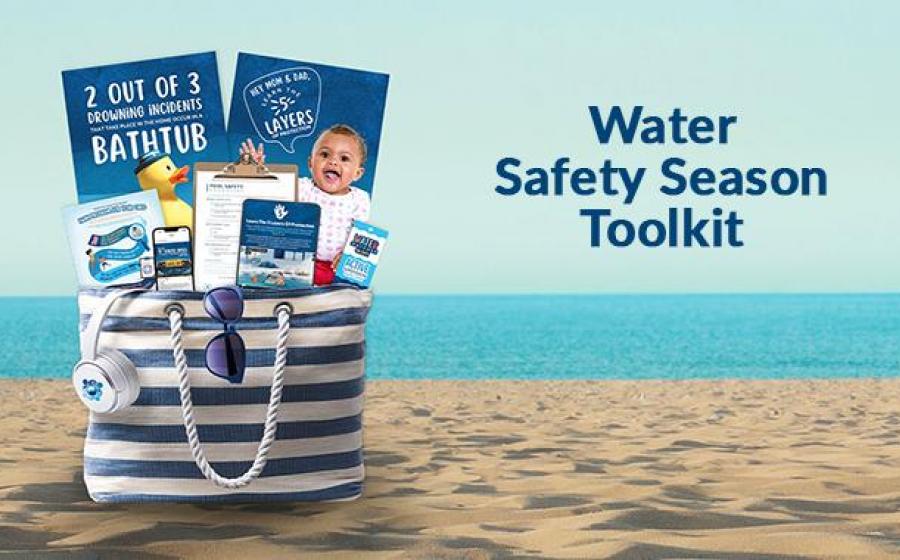
 - Drowning is the leading cause of death among children ages 1-4 years, and the second leading cause of injury-related death among children up to 14 years of age, according to the Centers for Disease Control and Prevention. As spring and summer approach and water activity increases, the National Drowning Prevention Alliance (NDPA) is raising awareness to educate parents, caregivers, and communities on drowning prevention strategies.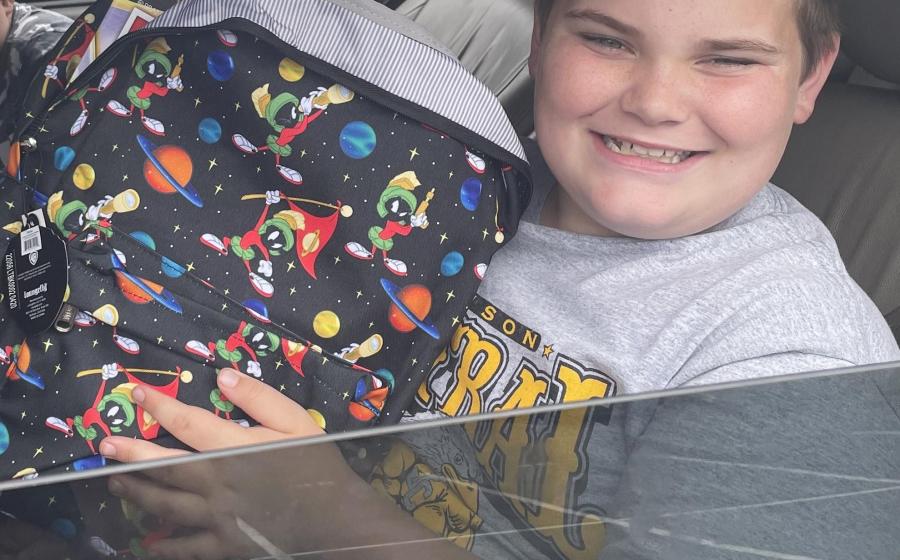
 - May is National Foster Care Month, and the Marine Toys for Tots Program continues to expand its support beyond the holiday season to deliver emotional comfort and gifts to children living in Foster Care.
 - Instilling healthy habits for both physical and emotional wellbeing begins during childhood, and, according to experts, one of the best ways to promote emotional wellness is through play.
 - Puradigm, a global leader in a new category of product, -- simultaneous air and surface purification -- has launched a residential version of their robust charged particle purification technology. Health-conscious families are taking notice.
 "Hooker Avenue"
 "To Kill a Ghost"
 "Awake Beloved and Arise"
 "If Not You, Then Who? We're Going Green!"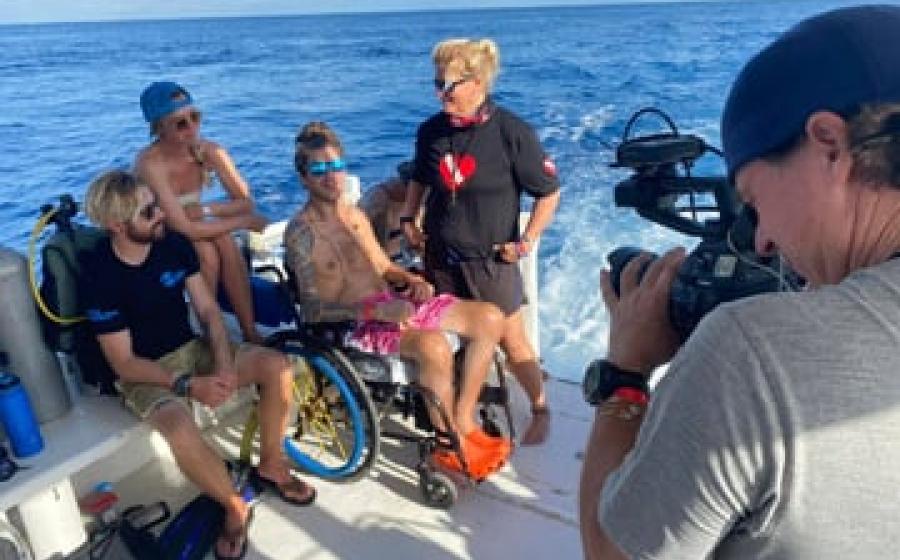
 - Scuba diving can be an exotic and enriching activity for anyone, but for individuals with a range of physical or cognitive disabilities, the unique weightlessness of the underwater environment allows them to exercise, relax, have fun and gain confidence like no other experience. Children and adults with challenges, including traumatic brain injuries, amputation, spinal cord injuries, cerebral palsy and blindness can enjoy the physical and psychological benefits of scuba diving.
 "Halfway to Schist"
 "Rex's Journey"
 "Ghosted"
 "Crossing the Pressure Line"
 - Military kids are known for being resilient as they often adapt to change and overcome challenges associated with military life. What can all kids learn from military kids when it comes to building resilience?