Put Sleep Health in the Driver’s Seat
 -

Did you know it’s estimated that more than 145 million U.S. adults (61%) have driven while drowsy at least once, and nearly 35 million do so monthly? For many, insufficient sleep from lots of different causes can increase drowsy driving risk, so it’s crucial to prioritize sleep and recognize when you’re not at your best to drive.
A fall-asleep crash can kill you or someone else in an instant. Four in 10 adults fail to recognize the basic warning signs of drowsy driving. That translates to about 108 million people in the U.S. These findings show a critical knowledge gap and emphasize that drivers need to recognize their bodies’ warning signs before it’s too late.
The National Sleep Foundation produces Drowsy Driving Prevention Week®, an annual campaign that educates the public about the importance of sleep for safe driving and helps drivers Sleep First. Drive Alert.® Preventing drowsy driving starts with the choices we make before getting behind the wheel, like prioritizing the sleep we need. These simple habits can help you, your family, and friends recognize the risks and make safer decisions on every drive.
Can New Technology Support Sleepy Drivers?

So, are systems that support driver safety already in many cars? Yes, the automotive industry keeps moving forward with innovative driver-alertness technologies. They’re also designed to detect signs of sleepiness and fatigue, support drivers, and are intended to help prevent drowsy driving before it leads to a crash. Agreement with these safety measures is growing among everyday drivers, with an estimated 91 million U.S. adult drivers backing requirements for alertness technology in all new vehicles. A similar number of people favor including sleep and drowsy-driving education in driver licensing.
Although awareness of these systems isn’t low, with 58% of adults familiar with driver-alertness monitoring, only 31% have ever used the technology. That means there’s a big opportunity to increase understanding, access, and adoption. As automakers continue to develop and integrate these features that can help support drivers by detecting signs of sleepiness, it’s important to reassure consumers about any concerns, particularly since 62% of adults worry that data collected by alertness-monitoring systems could be misused. Combining advanced technology with public education and data privacy protections can continue to help build trust in technology that’s designed to keep roads safer for everyone.
Driving Towards a Safer Future

Warning signs of drowsy driving are often overlooked. If a driver doesn’t know them, they can put themselves and others on the road at risk. Basic warning signs include frequent blinking, nodding, difficulty keeping your eyes open, and drifting out of your lane. Recognizing these signals early is important because drowsiness can slow reaction times and increase the risk of a crash. If drivers notice any of these warning signs, they should pull over to a safe place and take a break before continuing their journey.
Sleep First. Drive Alert.®

Remember, the first and best step we can take to be alert behind the wheel is to get the sleep we need. When warning signs of drowsy driving or other risk factors are present, the safest decision is not to drive. That’s worth repeating: when in doubt, don’t drive. If you feel tired, struggle to keep your eyes open, or notice other signals, do not ignore them or assume you can push through them and drive alertly. Instead, it’s safer to reschedule your trip, delay your departure until you are alert, or change your driving plans to avoid putting yourself and others at risk. If you must travel, consider asking a trusted friend or family member to drive, take a taxi, or book a rideshare.
Visit theNSF.org for more tips while you make your own plan to prevent drowsy driving, plus get NSF’s expert resources to help you be your Best Slept Self®.
There’s only one National Sleep Foundation (NSF). NSF is an independent nonprofit organization dedicated to improving health and well-being through sleep education and advocacy. Founded in 1990, the NSF is committed to advancing excellence in sleep health theory, research and practice. For more than 35 years, NSF has promoted sleep health through expert recommendations, consensus guidelines, tech standards, and easy-to-use tips and tools to improve sleep.
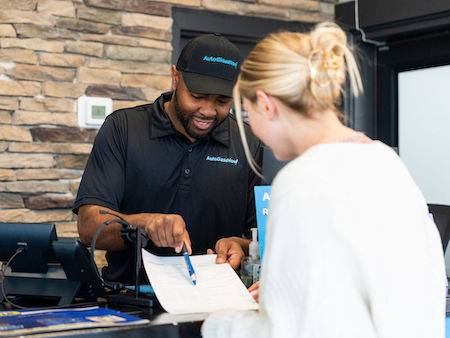
 - A flying rock, an unexpected crack, and suddenly your windshield becomes another thing on your to-do list. But while windshield damage can happen in an instant, getting it fixed doesn't have to be complicated or break the bank. Auto Glass Now helps take the hassle out of windshield repair and replacement, offering convenient same-day and next-day service options while helping drivers navigate their insurance claims from start to finish.
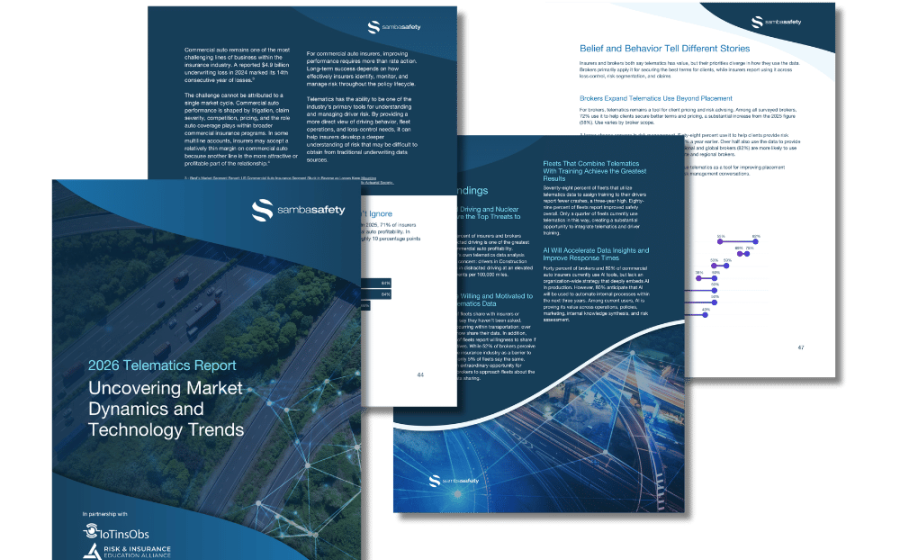
 - Distracted driving continues to threaten U.S. roads, prompting companies that operate and insure commercial vehicles to explore how technologies like telematics can help identify risky behavior and prevent crashes.
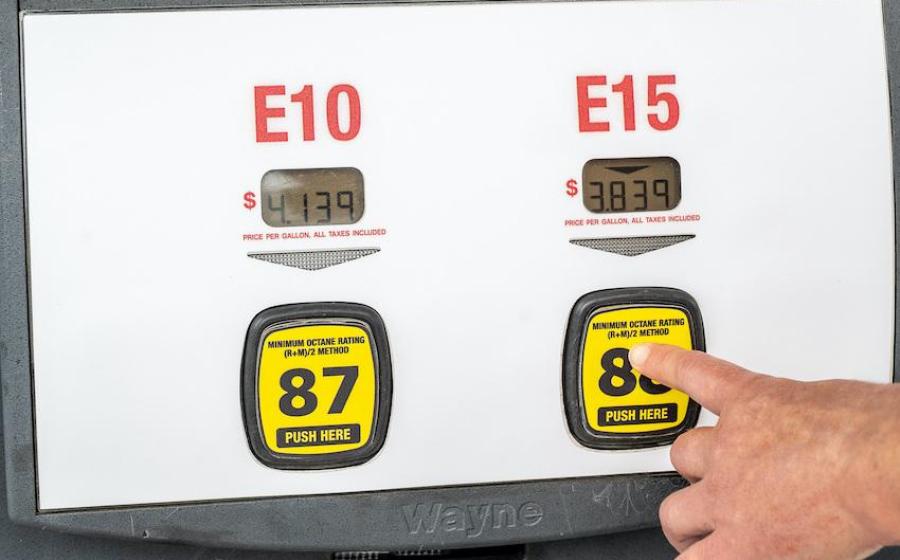
 - With U.S. gasoline prices still hovering around $4.00 per gallon,
 - Your back-to-school checklist is already long. That chip in your windshield shouldn’t stay on it.
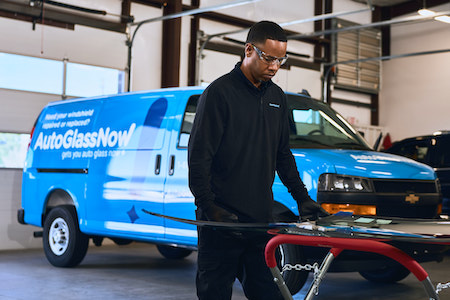 A chip is damage centered around a single impact point. Something struck the glass hard enough to break away a small piece of the outer layer, but the damage hasn’t started traveling. The good news? Chips caught early are the best candidates for repair, making that little mark worth addressing before it becomes something bigger.
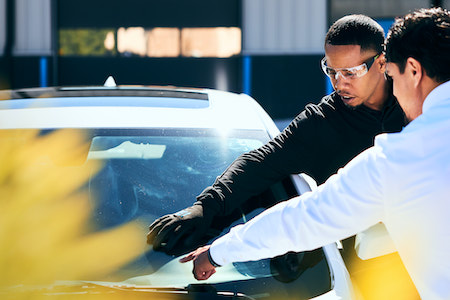 Here’s the good news: if caught early, many windshield chips can be repaired in as little as 30 minutes. Side and rear window damage is a different story, those always require replacement. Either way, getting the damage checked sooner rather than later is your best move.

 - The commercial auto industry is entering another year of sustained strain, as rising claims severity, persistent risky driving behaviors, and escalating litigation continue to push losses higher—even as fleets and insurers gain unprecedented access to data and technology.

 - With summer in full swing, safety on the road should be a top priority. Auto Glass Now is helping drivers across the country get road-trip ready — because wherever the season takes them, a damaged windshield shouldn’t stand in the way.


 - When it comes to auto glass repair and replacement, choosing the right provider is crucial for ensuring the safety and performance of your vehicle. The quality of the glass, the skill of the technicians, and the use of advanced technology all play vital roles in delivering a reliable repair that protects you on the road.
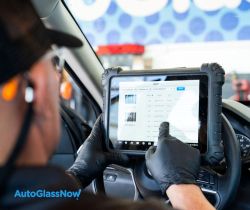 Why Expertise and Technology Matter