(Amy Leitman, JD, President of NTMir Contributor, USA Today) - For most Americans, the letters "NTM" don’t mean anything. But for tens of thousands of people across the country, they represent something serious: a chronic lung disease that’s often overlooked, misunderstood, and on the rise.
NTM, or nontuberculous mycobacterial lung disease, isn’t contagious. But that doesn’t make it harmless. Caused by bacteria found in soil and water, NTM can lead to progressive lung damage, especially in people with underlying respiratory conditions. What’s most alarming is how easily it hides in plain sight—mimicking other illnesses, evading detection, and often going untreated for years.
As we approach World NTM Day on August 4, it’s time to bring this disease out of the shadows.
NTM lung disease isn’t rare anymore. Over the past few decades, researchers have tracked a steady increase in infections across the U.S., especially among people over 65 and those with structural lung issues like bronchiectasis or COPD. According to the Centers for Disease Control and Prevention, cases are growing by 8% annually. Currently there are estimated to be more than 200,000 cases in the U.S. alone.
Certain regions are being hit harder than others. States like Florida, Hawaii, California, and Texas report disproportionately high rates, with urban hubs like Chicago, Atlanta, Los Angeles, and New York City also seeing spikes. The combination of humid climates, aging populations, and exposure to aerosolized water from showers, hot tubs, or soil seems to provide the perfect conditions for the bacteria to thrive.
Still, it’s not limited to one geographic area. Wherever people are inhaling air from contaminated environments—and especially where structural lung conditions are common—NTM is a growing risk.
One of the most frustrating aspects of NTM is how easy it is to mistake it for something else. People often develop a persistent cough, fatigue, night sweats, or shortness of breath—symptoms that could point to any number of respiratory conditions. It’s not unusual for patients to be told they have bronchitis or asthma, and to be treated accordingly.
But when weeks turn into months, and standard treatments don’t work, it’s time to look deeper.
Diagnosis requires a chest CT scan and sputum cultures, but even then, identifying the right strain and choosing the right treatment takes time. The standard course involves multiple antibiotics taken for over a year, and in many cases, patients can be reinfected with another strain later on.
Behind the data are stories—some hopeful, some heartbreaking.
Diane, a retired teacher in Houston, spent more than two years bouncing between physicians. “I had a chronic cough I just couldn’t shake,” she says. “They thought it was allergies or maybe long COVID.” After finally seeing a pulmonologist who tested for NTM, she got her diagnosis. “I was relieved, but scared. I had never even heard of it.”
In Miami, Michael, 67, had a similar experience. “They told me it was COPD, and I believed them. But my energy kept getting worse.” It wasn’t until a specialist ordered a specific culture that the real cause came to light. “By then, my lungs were already in bad shape.”
These aren’t rare anecdotes—they’re reflective of a larger issue: too many patients are slipping through the cracks because NTM isn’t top of mind for most clinicians.
(*Stories are drawn from patient accounts shared with NTMir’s national support community. Names have been changed for privacy.*)
Every year, August 4 marks World NTM Day, an international effort to raise awareness about this under-recognized illness. The day offers an opportunity to elevate patient voices, educate health professionals, and encourage policy solutions to improve care.
This year, advocates are emphasizing five urgent needs:
1. Faster diagnosis.
2. More research for treatments.
3. Public awareness.
4. Research for ways to reduce exposure.
5. Support for patients.
The call to action is simple: If you’ve had a lingering cough or recurring respiratory symptoms, and especially if you already have a lung condition, ask your doctor whether NTM testing is appropriate.
NTM lung disease isn’t going away. But we do have reasons to be hopeful. New diagnostic tools are in development. Clinical trials are underway for more tolerable and effective medications. And groups like NTMir are building a stronger national patient registry to support research and care coordination.
What we don’t have—yet—is widespread awareness.
That’s where you come in. Whether you’re a patient, caregiver, physician, journalist, or policymaker, you can help shine a light on this overlooked disease. Share a story. Ask questions. Start the conversation.
Because when it comes to NTM, knowledge isn’t just power—it’s a lifeline.
To learn more about nontuberculous mycobacterial lung disease, and to get involved in World NTM Day on August 4, visit www.WorldNTMDay.org.

 - By Matt Werbach for the National Psoriasis Foundation



 - The stakes were high at the Illinois State Fair this year with a herd of young farmers ready to showcase their hard work and expertise in the agricultural industry.
 - As families across the country prepare for the new school year, many are doing more than buying backpacks and pencils. They’re searching for, evaluating, and choosing from an expanded set of educational options. This year, for millions of families, the first day of classes isn’t just a return, it’s the beginning of something new. Whether a child is making an expected transition to - like starting kindergarten or transitioning to middle or high school, or switching types of schools altogether, parents are making active, thoughtful choices about where their children will learn.
 - TEST TEST
 - If you filed for a tax extension, you've bought yourself time, but not immunity from risk. As the October deadline approaches, be wary of slick promises from online platforms offering "AI-powered" shortcuts for claiming the federal research and development (R&D) tax credit. The IRS has
 - For anyone who’s ever felt crushed under the weight of family dysfunction, addiction or life-altering adversity, John Beyer offers something rare: proof that it’s possible to not only survive, but to thrive.
 Beyer doesn’t sugarcoat his past. He was born into a home where addiction ruled and abuse was the norm. At a tender age, he had already endured life’s most stressful experiences — death, divorce, illness and moving. His teenage years were marked by binge drinking, criminal activity and emotional instability. The turning point came in 1986; after years of self-destruction, a near-fatal car crash, and the deaths of close friends and family, Beyer had hit rock bottom. A months-long bender led him to seek help from Alcoholics Anonymous, marking his long path toward sobriety and healing.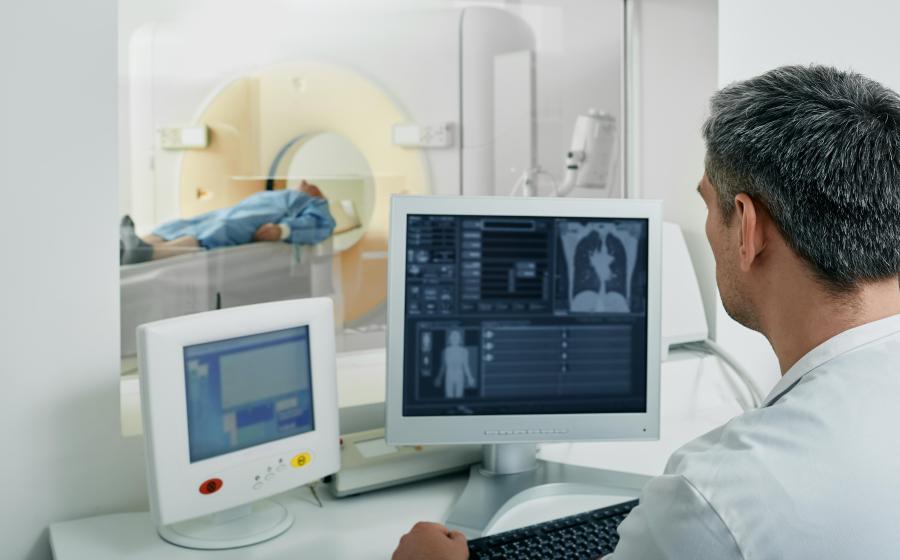

 - Whether for work, fun, or both, most people spend long periods sitting or slouching in front of a screen. Excessive sitting can lead to poor posture, which in turn increases the risk of a range of problems including muscle pain, joint pain, headaches, fatigue, altered digestion and respiration, and even nerve tissue compression, according to
 - Tips from Edelman Financial Engines (EFE) to help you stay secure, no matter what the economy throws your way.
 - In an era where medicine is being overhauled by innovation at a dizzying pace, few voices offer the clarity, conviction and insider perspective of Dr. Marschall Runge. His new book, “The Great Healthcare Disruption: Big Tech, Bold Policy, and the Future of American Medicine,” presents a sweeping, urgent vision of how American medicine is being irrevocably transformed — and how we can navigate the chaos.
 Despite the technical subject matter, Dr. Runge’s style remains accessible. He breaks down complex ideas into practical, digestible terms while sharing anecdotal examples of real-world implementation — all while pressing readers to think ahead. With rich storytelling, sharp insights and practical solutions, Dr. Runge cuts through the complexity of modern medicine to offer a bold, balanced path forward.