Marine Toys for Tots Literacy Program and Scholastic Expand Access to Books for Disadvantaged Children
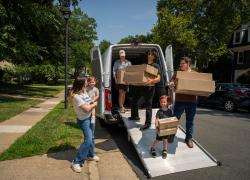
(NewsUSA) - The Marine Toys for Tots Literacy Program’s Operation Turn the Page initiative continues throughout September, putting books in the hands of children living in low-income communities across the country. Rooted in the belief that every child deserves the opportunity to learn, grow, and dream, Operation Turn the Page highlights the life-changing impact of reaching children who may otherwise have few or no books to call their own. For many of these children, a single book can spark a love of reading, build confidence, and open the door to opportunities that extend far beyond the classroom.
Helping turn that mission into reality is Scholastic, the global children’s publishing, education, and media company. Scholastic has served as a valued partner of the Toys for Tots Literacy Program since 1998 and has helped provide books to millions of students, teachers, and families nationwide.
Together, the organizations are giving children more than stories to read. They are opening doors to imagination, building confidence in young readers, and creating opportunities that can last a lifetime.
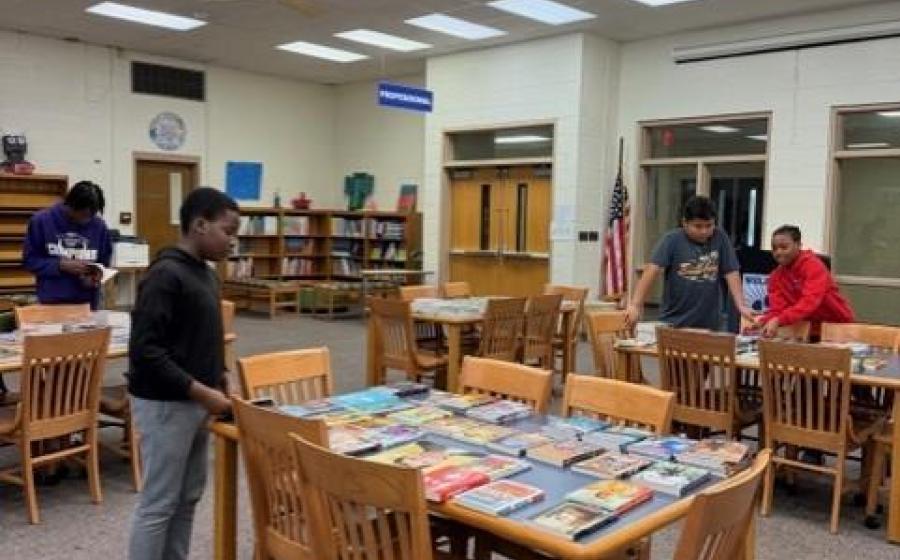
One of the most impactful examples of this partnership can be seen in its support of Title I funded schools.Through collaborative efforts between the Toys for Tots Literacy Program and Scholastic, 146 Title I funded schools have received book donations so far in 2026, resulting in the distribution of 79,070 books to students and classrooms. For many children, these books represent far more than stories on a page. They provide opportunities to explore new worlds, strengthen reading skills, and develop a love of learning that can influence the trajectory of their education and future success.
Scholastic’s support has also enabled the Toys for Tots Literacy Program to partner with the Kids In Need Foundation. This year, the effort has supported 3,800 teachers in Portland, Oregon; Dayton, Ohio; Charlotte, North Carolina; Wichita, Kansas; and Little Canada, Minnesota. By providing 4,021 educational resources, including 2,100 books and 1,921 teacher supplies, the organizations are helping educators create engaging learning environments where students can thrive. These resources empower teachers to focus on what matters most: inspiring a love of reading and helping every child reach their potential.
The Toys for Tots Literacy Program and Scholastic have also supported projects designed to meet unique community needs. At Atlantic Coast High School in Jacksonville, Florida, the organizations provided 250 books to students, expanding access to educational resources and supporting academic achievement. In Tucson, Arizona, 210 books were distributed through a partnership with the Tucson Police Department, demonstrating how literacy can strengthen community connections and bring people together around a shared commitment to helping children succeed.
“Every child deserves the opportunity to discover the power of a book, and our partnership with Scholastic is helping make that possible for thousands of children across the Nation,” said Lieutenant General Jim Laster, U.S. Marines (Retired), President and CEO of the Marine Toys for Tots Foundation. “When a child turns the page of a book, they also turn the page toward new possibilities in life.”
The continued success of these initiatives and the partnership between the Toys for Tots Literacy Program and Scholastic are testaments to what can be achieved when organizations unite around a common purpose. Together, they are helping disadvantaged children across America Turn the Page Toward Opportunity, one book, one child, and one future at a time.
To learn more about the Toys for Tots Literacy Program or to donate, visit https://www.toysfortots.org/programs/literacy-program.

 - Several seasonal celebrations are nearly upon us, but an unwelcome time of year also awaits—flu season.
 - Many parents think kindergarten readiness starts with learning letters, numbers and how to write a name. Those skills matter, but educators know that the social-emotional and executive function skills children develop before they ever walk into elementary school play an important role in kindergarten readiness.
 - Across the Nation, millions of children are preparing to head back to school—filled with excitement, opportunity, and promise. But for far too many children, the year begins with a challenge: limited access to the books and educational resources that are essential to academic success.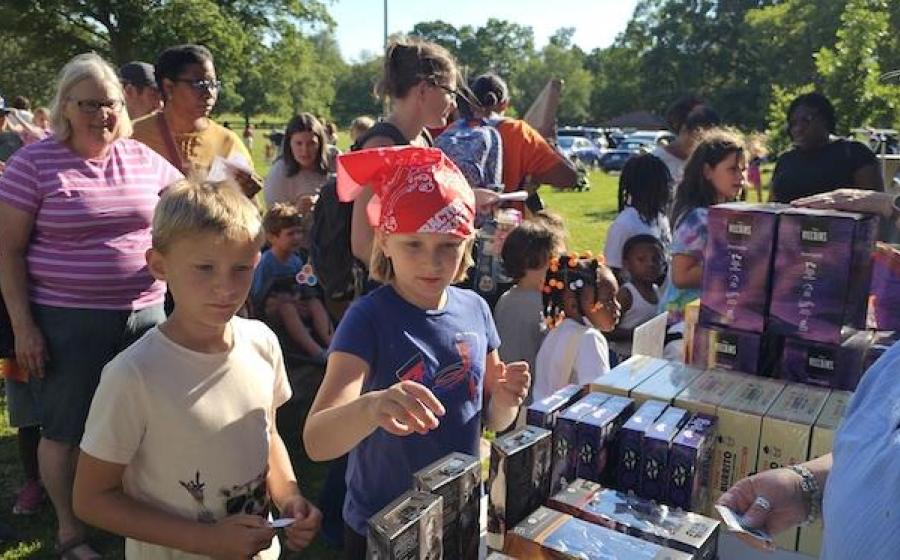
 - The magic of Christmas doesn’t wait until December—and neither does Marine Toys for Tots. Nationally recognized as America’s flagship children’s Christmastime charity, Toys for Tots also remains committed to delivering hope, joy, and comfort to children in need all year long. With summer underway, July is the perfect time to join Toys for Tots’ Be a Summer Santa initiative and spread Christmas magic when it’s least expected—and often most needed.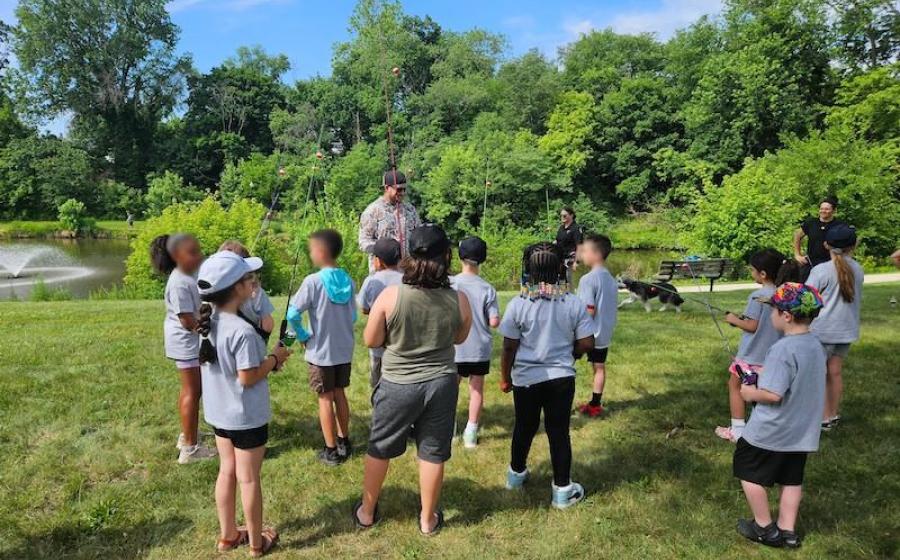
 - June marks the start of summer—a season defined by adventure, exploration, and the simple joys of childhood. June also highlights National Fishing Week, celebrated June 6-14, making it the perfect time for Marine Toys for Tots to champion outdoor play through its Give and Go: Outdoor Adventures Start with You initiative. Building on meaningful experiences that connect children with nature, the initiative helps children discover the confidence, curiosity, and joy that come from spending time outdoors.
 - National Foster Care Day, observed on the first Tuesday of May, serves as a reminder of the hundreds of thousands of children across the United States in foster care who need stability, encouragement, and hope. The Marine Toys for Tots Foster Care Program’s Room for Joy initiative stands ready to support children navigating the foster care system based on the belief that even a single donation can create meaningful impact and make Room for Joy in the heart of a foster child.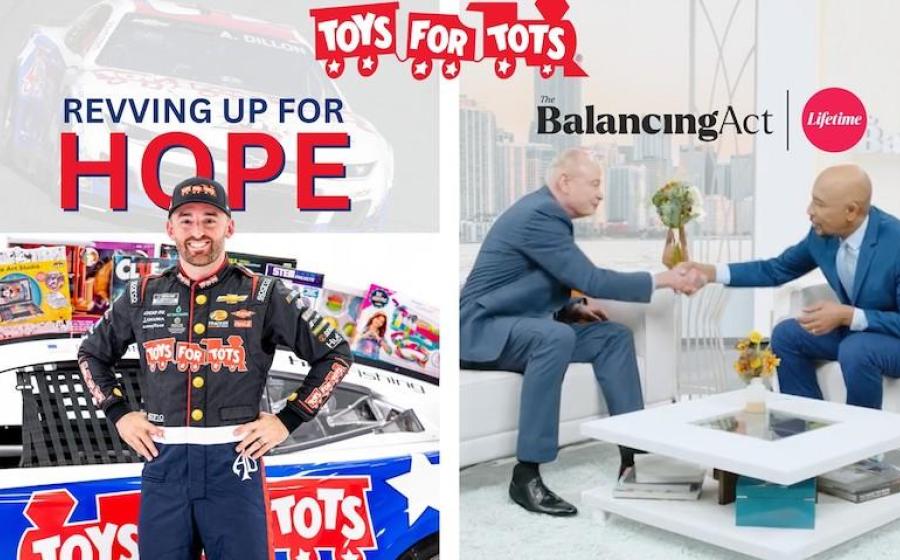
 - For nearly eight decades, the Marine Toys for Tots Program has brought hope and joy to disadvantaged children across the United States. What began as a Christmastime tradition has become a year‑round mission to deliver emotional comfort, educational resources, and critical support to millions of children in need. This impact is possible because of the generosity of the American public and through partnerships that raise awareness about the year-round mission and of the needs of children nationwide.
 - March is National Reading Month, a time to celebrate the power of reading and the role it plays in shaping a child’s future. Yet for many children living in poverty, access to age-appropriate books is limited. That’s why our Toys for Tots Literacy Program is reaffirming its commitment to delivering books and educational resources to children in low-income communities this year through its Chapters of Change initiative.
 - While February is recognized as National Random Acts of Kindness month, Marine Toys for Tots knows kindness doesn’t have to be spontaneous to be powerful. That is why Toys for Tots celebrates Not So Random Acts of Kindness. The Program sees the impact of intentional acts of kindness every time someone chooses to give, volunteer, or lend support—not just during the holidays, but in the middle of ordinary days, busy seasons, and challenging moments.