
Ask About Clinical Trials on Day One
(Mitch Jelniker) - For people diagnosed with small cell lung cancer, the clinical trial conversation belongs in the very first appointment.
A diagnosis of SCLC can trigger a whirlwind of appointments, tests, and decisions. But amid all that noise, there is one question patients should ask their doctor as early as possible:
“Is there a clinical trial that might be right for me?”
Many patients may associate that question with running out of treatment options. But according to Dr. Ashish Saxena, Chief of Thoracic Medical Oncology at Weill Cornell Medicine, that’s not always the case.
Some clinical trials are available only before treatment begins, while others are studying promising therapies as a first treatment. For someone facing a fast-moving cancer like SCLC, timing is everything.
“There are a lot of changes going on in the landscape today, more than we've seen for a very long time. Emerging treatments now involve immunotherapy, where your immune system attacks small cell lung cancer. Studies are also exploring antibody-drug conjugates, antibodies that target specific proteins in small cell cancer and deliver chemotherapy with them, rather than free-flowing chemotherapy in your bloodstream. And we’re learning more about the biology of small cell lung cancer and how certain patients may react better to certain drugs. So, all of these things should give patients a lot of hope when they are diagnosed with small cell lung cancer,” says Dr. Saxena.
Why Clinical Trials Matter
For years, people with SCLC had few treatment options. Now, research is expanding what may be possible, from new treatment approaches to a better understanding of distinct types of SCLC that could lead to more personalized care.
For patients, that progress means something especially important: hope.
Living Better, Not Just Longer
The research happening in clinical trials isn’t focused only on extending life. Researchers are also paying closer attention to how patients feel while they are living it.
Along with tracking whether a tumor shrinks or how long a treatment keeps cancer from growing, clinical trials increasingly look at how treatment affects everyday life, including fatigue, breathing problems, pain, and emotional well-being.
“The goal is to have meaningful time, not just more time,” says Dr. Saxena.
These patient-reported outcomes can also provide clues about whether a treatment is working before the next scan. A cough may improve. Breathing may become easier. Energy may return.
Your Voice Is Part of Your Treatment
Patients can play another important role in their care: Speak up.
Reporting side effects and changes in how you feel can help doctors adjust medications or dosages and better manage symptoms, helping patients maintain their quality of life and potentially stay on treatment longer.
In clinical trials, that feedback also helps researchers understand how a therapy affects a person’s daily life, not just what appears on a scan.
For Wendy Brooks, who is living with small cell lung cancer and is a member of the LCFA's Voices of Hope Speakers Bureau, the pace of change is encouraging.
“I'm more hopeful today than I have ever been,” says Brooks.
For people facing SCLC, the message is simple: Don’t wait to ask about clinical trials. Ask early. Ask before treatment begins. And keep asking as your treatment journey continues.
That one question: “Is there a clinical trial that might be right for me?” could open a door you didn’t know was there.
Learn MoreTo hear the full conversation between Wendy Brooks and Dr. Ashish Saxena on the Hope With Answers podcast and learn more about small cell lung cancer research, clinical trials, and treatment, visit LCFAmerica.org.
About LCFALung Cancer Foundation of America (LCFA) is dedicated to dramatically improving survival rates and quality of life for people diagnosed with lung cancer. Through funding innovative research, amplifying patient stories, and raising awareness, LCFA brings hope to the millions impacted by the world’s deadliest cancer. Learn more at LCFAmerica.org.

 - In 2018, then-52-year-old Todd Repass Jr. stood up after a meal and immediately knew something was wrong. It was terrifying. He felt weak, short of breath, and, at times, dizzy. The eventual diagnosis – atrial fibrillation (AFib) – kicked off a nearly seven-year health journey, during which he leaned on his son, an employee of medical device manufacturer, Medtronic, for guidance.
 - There is a piece of good public health news that deserves more attention: youth tobacco use in the United States has
 - Consumers purchasing retatrutide online may think they are buying a safe, clinically tested weight-loss drug. They are not. Medical spas and online sellers have built a booming black market around an unapproved investigational drug – exploiting polished websites and professional packaging to sell illegal drugs to unsuspecting Americans. What is especially concerning about today’s version of this deception is how FDA is doing nothing to stop it, allowing this black market to turn into a digital-age Wild West.
  - Dr. Koo, EVP and CMO at Prostate Cancer Foundation, and Bill, who is living with prostate cancer, answer some frequently asked questions about PSMA testing. Talk to your doctor and visit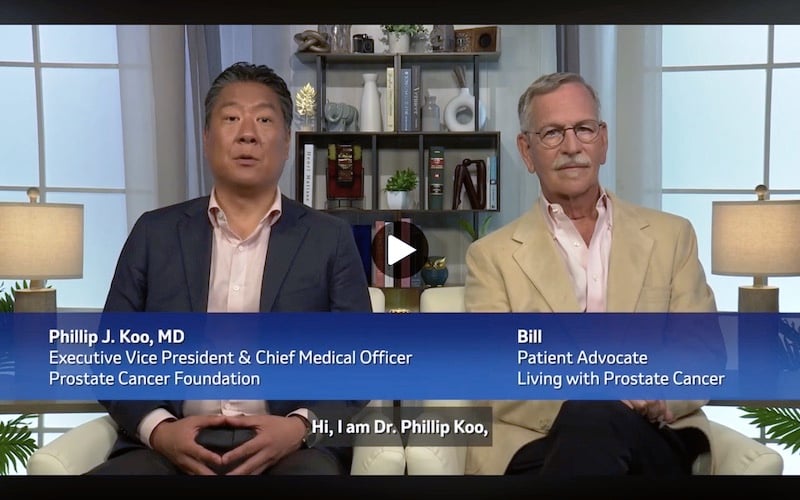
 - Vanessa had a plan. As a travel nurse from Memphis, Tennessee, she was working across the country, building her career and saving up to buy a home. She had mapped out her next steps and was looking ahead to a future she worked hard to create.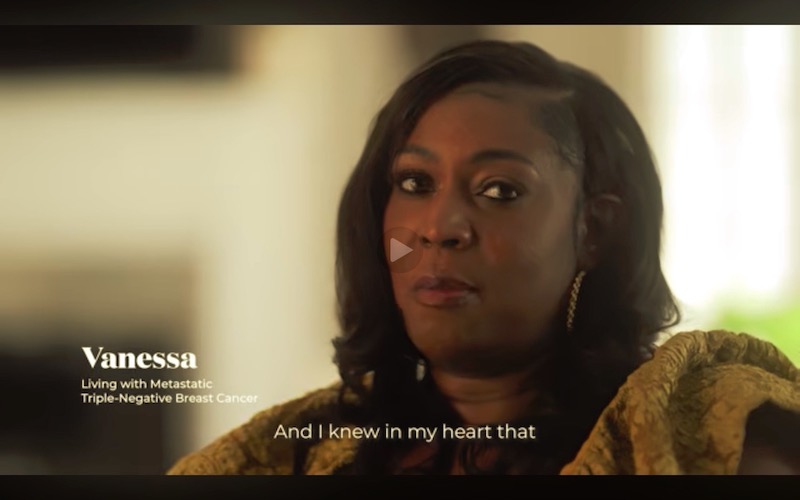
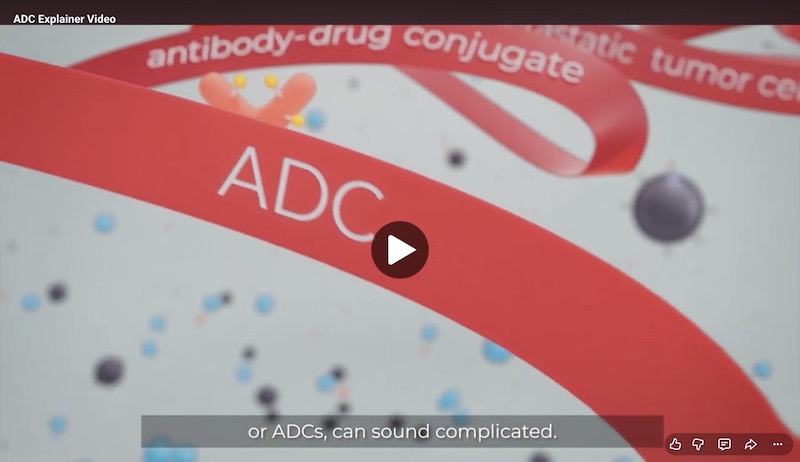

 - It's no secret that kids today are struggling with mental health. Heightened academic pressure, the stress of growing up, family dynamics and lack of social connection all play a role, alongside the overuse of phones and devices.
 - Over the past few months, you may have come across advertisements online or on social media for a new weight loss drug called retatrutide, also commonly referred to as “Reta” or “GLP-3.” Despite savvy marketing and “personal testimonials,” there is something critical consumers need to know: retatrutide is not FDA approved for human-use, and the companies selling it are operating illegally through unregulated channels.
 - While World Lung Cancer Day was recognized on August 1, the urgent need to raise global awareness for those affected by the disease and to accelerate the search for a cure remains year-round. With this ongoing mission in mind, Lung Cancer Foundation of America (LCFA) and the International Association for the Study of Lung Cancer (IASLC) are observing the month by awarding $200,000 to two of the field's most promising young scientists. This investment addresses a critical reality in oncology: too often, brilliant research ideas stall not because they lack vision, but because they lack resources. By providing this funding, LCFA and IASLC are ensuring these researchers have the momentum they need to turn today’s innovative ideas into tomorrow’s life-saving breakthroughs.
 - As millions of Americans turn to social media, online videos and AI-driven platforms for health information, the Health In Hand Foundation is launching a new resource to help consumers navigate an online environment where not everything they see is real.